
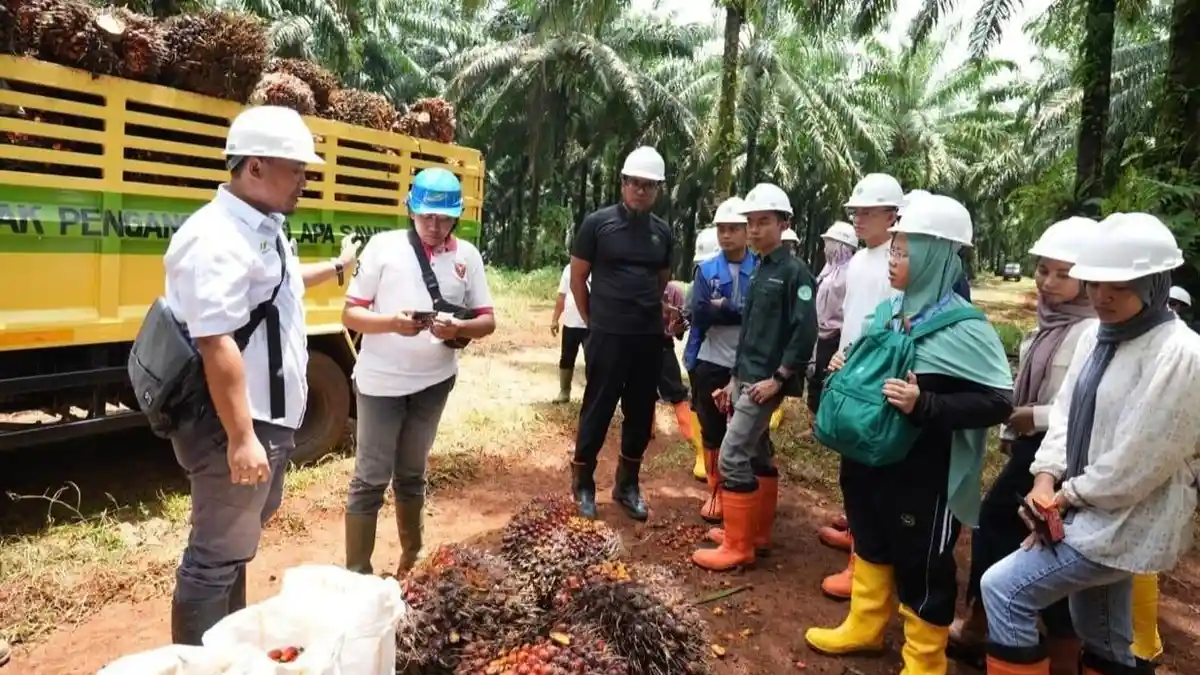
Palm oil has often been mired in controversy due to environmental concerns. However, a recent initiative by students from the Bogor Agricultural University (IPB) aims to shed a different light on sustainable palm oil practices through their field visit to PTPN IV Palmco. This visit is part of an academic mission to gain firsthand insights into the sustainable cultivation of one of Indonesia’s leading export commodities.
Memahami Pentingnya Sawit Berkelanjutan
Sustainable palm oil cultivation is critical, given its significant role in various industries, from food processing to biofuel. The importance of moving toward sustainability lies in minimizing deforestation, maintaining biodiversity, and reducing greenhouse gas emissions. By visiting PTPN IV Palmco, IPB students could observe the implementation of these practices that are essential in combating the negative stigma associated with the palm oil industry.
Detail Kunjungan Lapangan
The students’ visit to PTPN IV Palmco was an immersive experience. They were introduced to various sustainable practices, including the effective use of land, waste management, and community engagement. These practices are crucial in ensuring that palm oil production does not come at the expense of the environment and local communities. The students’ engagement in this process provided them with a comprehensive understanding of the challenges and opportunities in sustainable palm oil production.
Melihat Langsung Dampaknya
During the visit, students saw firsthand the impact of PTPN IV Palmco’s sustainability initiatives. They observed how these initiatives have improved the quality of life for local communities, providing education and health services funded by the company. This aspect of corporate responsibility is often overlooked but is fundamental in dispelling the negative stereotypes surrounding the palm oil sector. The students left with a broader perspective that balances economic benefits with environmental stewardship.
Tanggapan Mahasiswa terhadap Sawit Berkelanjutan
The students expressed a renewed appreciation for the complexities involved in sustainable palm oil production. Many acknowledged that their perceptions were challenged and broadened. This experiential learning allowed them to understand better the delicate balance that must be maintained to ensure environmentally and socially responsible practices. This engagement signifies the role of education in reshaping narratives and fostering a more informed public discourse.
Analisis dan Perspektif
From an analytical viewpoint, the inclusion of educational visits such as this plays a pivotal role in the transformation of industries. It enables future leaders and policymakers to witness and participate in sustainable practices. The perspective gained from these visits could influence future policies and corporate strategies, thus playing a role in addressing global challenges associated with palm oil production. This proactive approach by educational institutions underscores the importance of collaboration between academia and industry.
In conclusion, this initiative by IPB students to understand sustainable palm oil production at PTPN IV Palmco highlights a critical step towards breaking down negative stereotypes. It emphasizes the necessity of seeing beyond the surface and recognizing efforts toward sustainability in the palm oil industry. Such educational endeavors are essential in driving sustainable change and ensuring that industries like palm oil can thrive in an environmentally and socially responsible manner.